Water Safety - 10 Rules for a Responsible Kayaker
Kayaking is a sport connected with nature, which requires respect for water and adherence to basic safety rules. Learn 10 rules that will allow you to enjoy your trip without unnecessary risk.
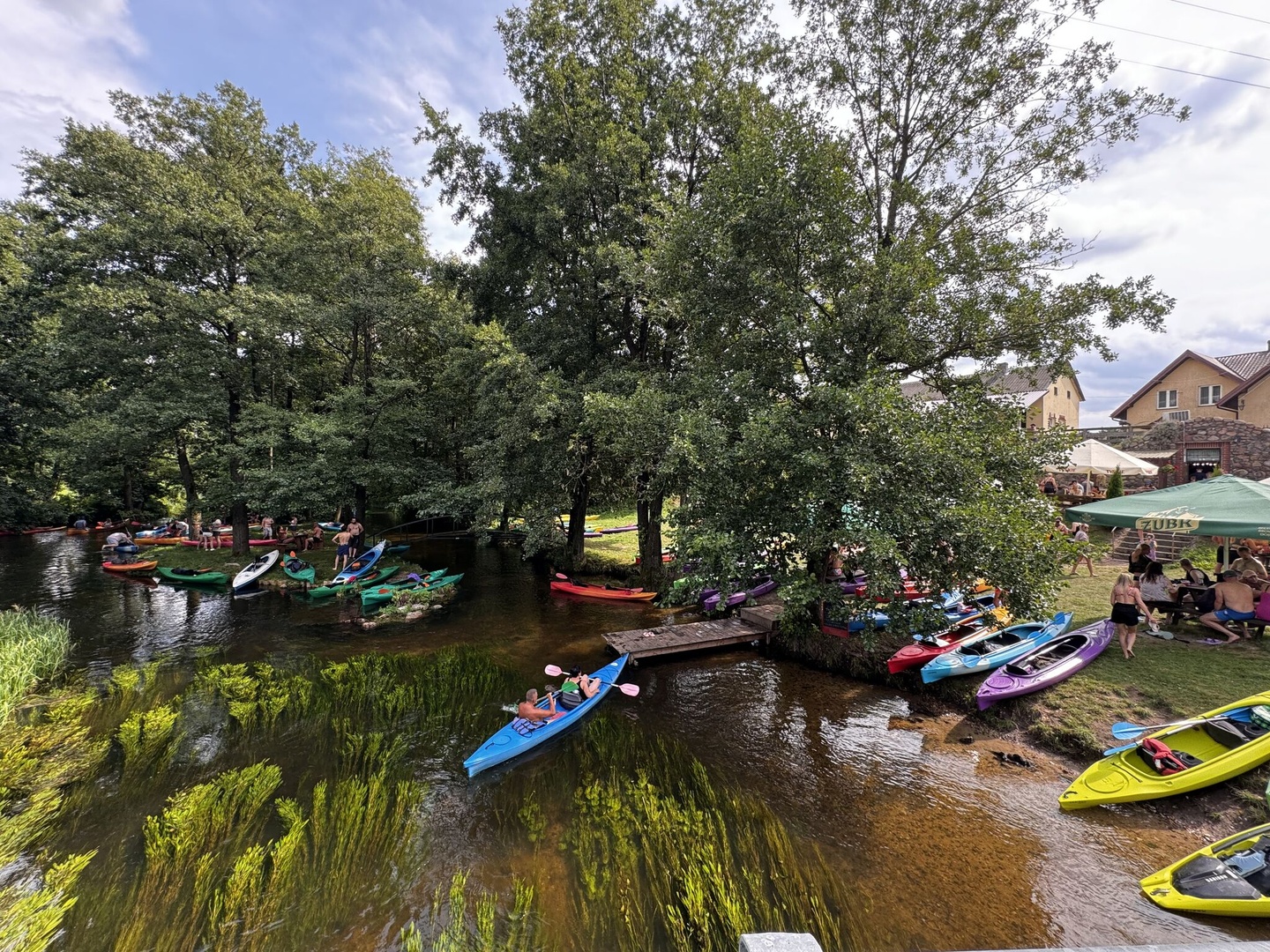 A buoyancy aid is an absolute must-have for every trip
1. Always wear a life jacket
A life jacket is the foundation of safety. It doesn't matter if you're an Olympic swimmer or kayaking for the first time – the life jacket must be fastened throughout the entire trip. In our rental, we provide life jackets tailored to the weight and height of each participant.
2. Check the weather before your trip
Wind, storms, and heavy rainfall can turn a calm river into a dangerous place. Check the forecast for the entire day and, in case of bad conditions, postpone your trip. It's better to wait than to risk it.
3. Paddle in a group, never alone
Paddling alone increases risk. In a group, you can look out for each other, help in difficult moments, and call for help in case of an accident. A minimum of 2 kayaks (4 people) is recommended.
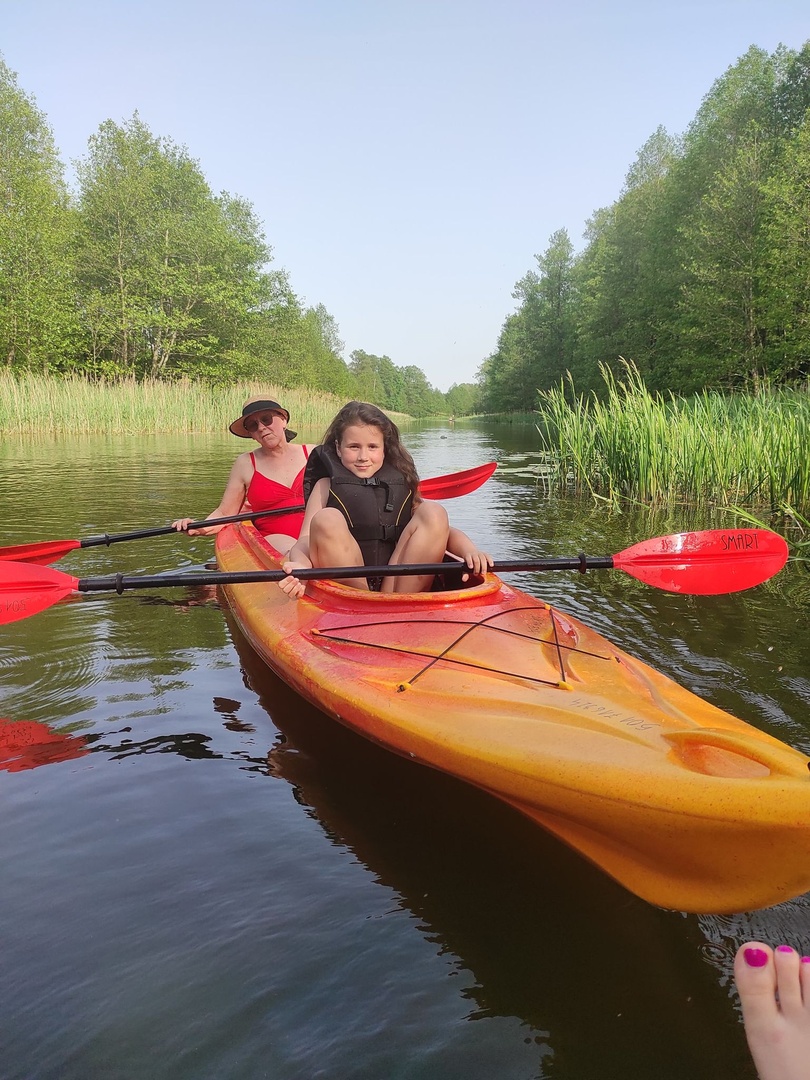 Family kayaks offer the greatest stability and safety
4. Adjust the route to your skills
Don't overestimate your abilities. If you're just starting out, choose an easy, short route. Over time, as you gain experience, you can try more challenging sections.
5. Keep your phone in a waterproof case
Your phone is your lifeline in case of an emergency. Keep it in a sealed, waterproof case and in an easily accessible place. Save emergency numbers: 112, 999, 998.
6. Drink an adequate amount of water
Dehydration is a common problem during kayaking trips, especially on hot days. Drink regularly, even if you don't feel thirsty. Avoid alcohol before and during the trip.
7. Protect yourself from the sun
UV rays reflect off the water, increasing exposure. Apply SPF 50+ sunscreen every 2 hours, wear a cap with a brim, and sunglasses.
8. Know your location on the route
Take a map or install an app with offline maps. Find characteristic points on the route (bridges, river mouths, villages) to know where you are.
9. Take care of other participants
Observe other group members. If someone is tired, take a break. If someone has capsized, help them get back into the kayak. Cooperation is key to a safe trip.
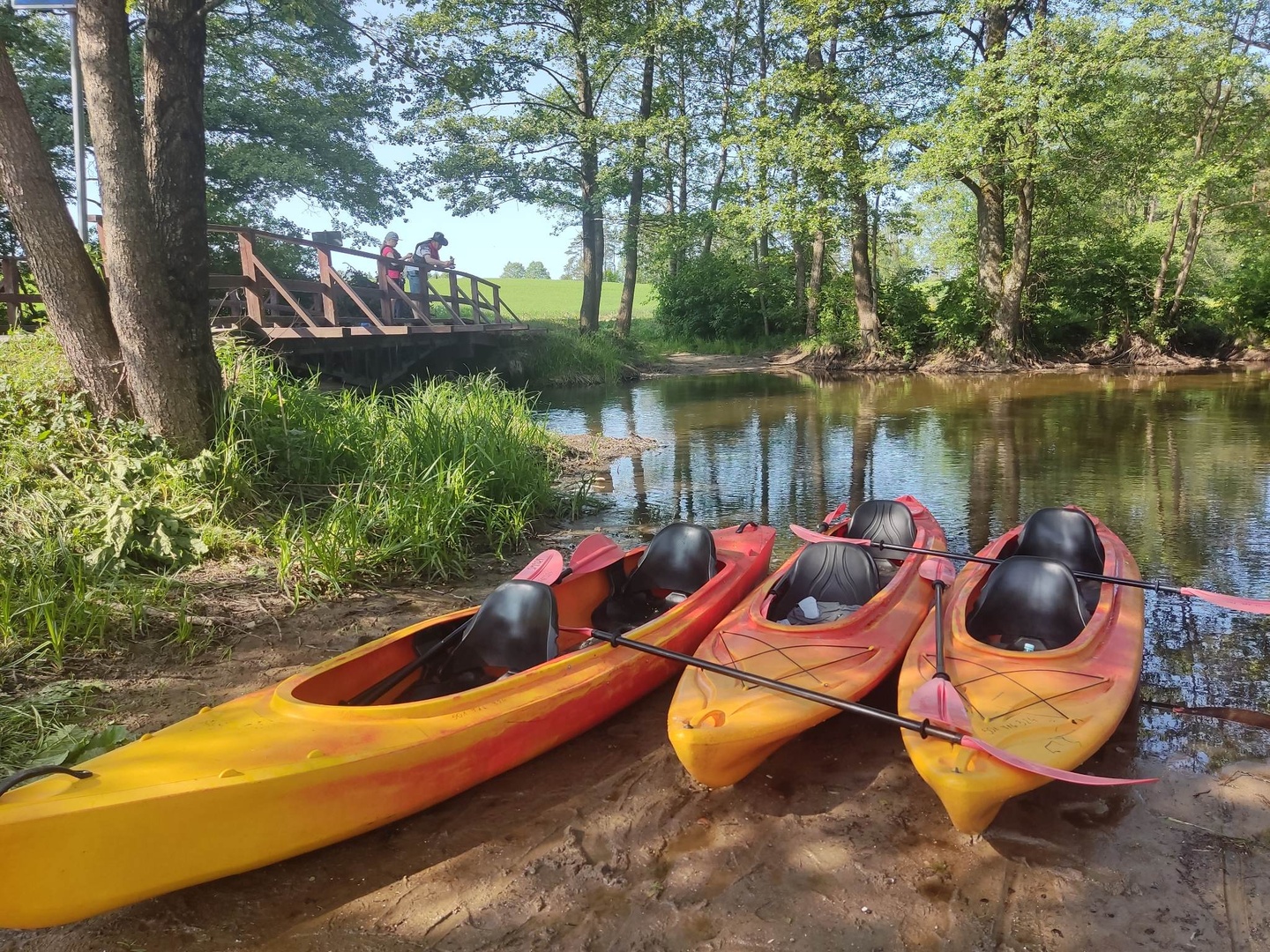 A safe trip is primarily about responsibility and cooperation of the entire group
10. Respect nature and others
Don't litter, don't make noise, don't paddle through private areas. Respect for nature and other river users is an element of safe kayaking.
What to do in emergencies?
Kayaking capsize:
- Stay calm - the life jacket will keep you afloat
- Hold onto the paddle and kayak
- Get back into the kayak from the inside or ask for help
Injury:
- Assess the condition of the injured person
- In case of serious injuries - call for help (112)
- Provide first aid according to your training
Stuck on a sandbank:
- Don't panic - this is normal on shallow rivers
- Get out and walk the kayak
- Get back into the kayak in a deeper spot
First aid training
We encourage all kayakers to take a first aid course. Knowing how to provide help in emergencies can save lives. Such training is regularly organized in Suwałki.
Remember: safety is the number one priority. The rest is just the pleasure of paddling!


forum Comments (0)
No comments
Be the first and share your thoughts about this article!
edit Write the first commentinfo Commenting rules